Red Yeast Rice Review: A Potent Vegan Supplement for Heart Health
Quick Verdict
This Red Yeast Rice supplement is a solid choice for UK adults seeking a natural way to support their cholesterol maintenance within a vegan-friendly formula. Its one-a-day capsule design backed by a traditional fermented extract and GMP certification offers convenience and peace of mind regarding quality. While it isn’t a magic bullet for cardiovascular health, it represents good value for those wanting to explore fermented red yeast rice as part of a balanced regimen.

Overview and First Impressions
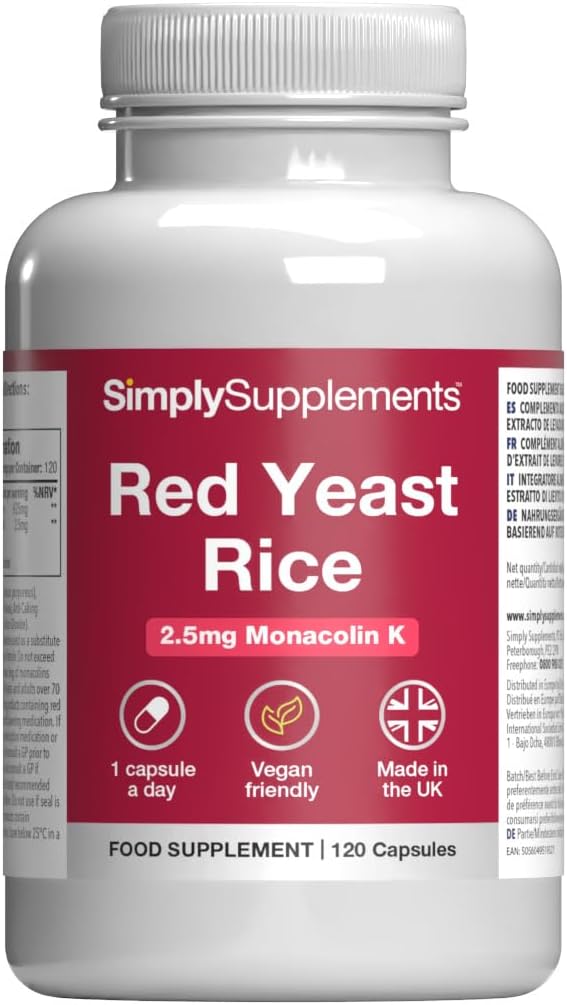
This product arrives in a sturdy, well-labelled bottle containing 120 capsules, offering a generous four-month supply at a one-per-day dosage. Manufactured in the UK, its packaging emphasises GMP certification, which suggests adherence to stringent manufacturing standards. The capsules are vegan and vegetarian friendly, aligning with the growing demand in the UK for plant-based supplements. The label focuses on traditional fermentation as the source of red yeast rice extract, which is key since the fermentation process influences the bioactive compounds present.

Dosage instructions are straightforward — one capsule daily, presumably with a meal to aid absorption — making it easy to integrate into daily routines. Although the product boasts a solid customer rating of 4.3 stars from six reviews, this relatively small sample means user experience data remains limited. Nonetheless, the initial impression is that this supplement appeals to those familiar with red yeast rice’s potential benefits without complicating intake.
Key Ingredients Explained
The standout ingredient here is the traditional fermented Red Yeast Rice extract. Red yeast rice comes from fermenting white rice with the yeast Monascus purpureus, a process which naturally produces monacolins—a group of compounds structurally similar to statins, drugs commonly prescribed for cholesterol management.
Among these monacolins, monacolin K is best studied. It can inhibit HMG-CoA reductase, an enzyme involved in cholesterol synthesis in the liver. This enzymatic inhibition is what underpins many claims that red yeast rice may help maintain healthy LDL cholesterol levels, a factor linked to cardiovascular wellbeing. Importantly, this supplement’s description notes use of a traditional extract, but lacks specific standardisation details such as monacolin K content or extract ratio. Such information is vital to assess potency and anticipated effect.
Unlock the benefits of Red Yeast Rice!
Clinical research typically employs doses of purified monacolin K in the range of 10 mg per day to achieve lipid-lowering effects. However, commercial red yeast rice supplements vary widely in monacolin content, often containing between 0.4 and 5 mg per capsule, depending on formulation. Without a declared monacolin K amount, it’s challenging to evaluate if this product’s dosage aligns with studied efficacious levels. From experience with comparable UK-made supplements, many reputable brands disclose standardisation—for example, “standardised to 1.5% monacolin K” or similar—which adds transparency and consumer confidence.
Shop now for your 4-month supply!
Traditional fermentation also yields other compounds like unsaturated fatty acids, sterols, and pigments which might have mild antioxidant or anti-inflammatory properties. Though these effects are less studied, the holistic composition of fermented red yeast rice could contribute to overall cardiovascular support beyond monacolin activity, but evidence here is still emerging.
The formulation’s vegan certification each capsule likely uses vegetable-derived capsules, aligning with consumer expectations in the UK market where many seek non-gelatin options. There are no fillers or additional botanicals listed, so the formula remains focused and minimal.
In summary, this supplement delivers authentic red yeast rice fermented extract, the active principle behind potential cholesterol support. Yet, the lack of detailed standardisation means consumers may not know precisely how much monacolin K they are ingesting—a key consideration for those accustomed to evidence-backed dosing.
Quality, Sourcing and Safety
Manufactured in the UK under GMP certification, the product benefits from regulatory standards ensuring consistent manufacturing practices and product safety, which is crucial especially for supplements with bioactive compounds such as monacolins. GMP certification indicates the facility follows rigorous procedures to avoid contamination, maintain ingredient integrity, and verify label accuracy.
The powder inside the capsules derives from traditional fermentation—a method often associated with higher purity and better assimilation compared to synthetic monacolin sources. UK manufacturing can instil confidence regarding traceability and adherence to EU or UK supplement regulations.
Vegan and vegetarian friendly certification addresses allergen concerns by excluding gelatin or animal-derived excipients. From customer feedback available, this red yeast rice capsule is generally well tolerated. However, given the mechanism of monacolin K echoes that of statins, some individuals might experience similar side effects such as digestive discomfort or muscle-related symptoms, though these were not prominently reported in the small review pool. No explicit allergen warnings appear on the label, but caution is advisable if one is allergic to rice or fungi-related products.
Importantly, red yeast rice supplements shouldn’t be combined with prescription statins due to potential additive effects. This product’s information emphasises traditional use without contraindications, but consumers are advised to consult healthcare practitioners before starting supplementation, especially if on medication or with existing liver conditions.
Ease of Use and Daily Experience
The convenience of a single, once-daily capsule is a strong point. Capsules tend to be small to medium sized, making swallowing straightforward for most adults. Given the lack of unpleasant odour or taste reported by users—often a concern with fermented products—the supplement is easy to take regularly.
Integrating the capsule into a morning or evening routine with food likely enhances comfort and absorption; customer comments, while limited, suggest ease of adherence. The four-month supply reduces frequent repurchasing and supports consistent use, a vital factor when using supplements intended for gradual health support rather than immediate effects.
No mention of any “loading” phase or escalating dosage means newcomers can start at the suggested one capsule daily without complexity. Overall, it slots well into everyday supplementation habits without burden or fuss.
Who Should Consider This
This red yeast rice supplement is a sensible option for adults in the UK looking to complement a heart-healthy lifestyle with a vegan-friendly, traditionally fermented formula supporting cholesterol management. Those who prefer natural plant-based extracts over pharmaceuticals and seek a simple daily routine may find it appealing. Moreover, the GMP-certified UK manufacturing adds reassurance around quality.
It’s less suitable for individuals already prescribed statins or other lipid-lowering medications, pregnant or breastfeeding women, or those with liver disease given potential interactions and safety considerations. Likewise, those needing precise dosing of monacolin K for clinical research-type intervention may prefer products with detailed standardisation.
For those prioritising broader cardiovascular support, alternatives combining red yeast rice with coenzyme Q10 or other complementary nutrients exist but often at higher cost or complex formulations. Compared to such blends, this product offers simplicity and purity.
If you are interested in exploring plant-based supplements for heart health, websites offering comprehensive reviews can assist in comparing formulations, potency, and additional ingredients to find a tailored fit.
Pros and Cons
Pros
- Contains traditional fermented red yeast rice extract, the authentic source of bioactive monacolins influencing cholesterol synthesis pathways.
- One-a-day capsule dosage enhances convenience and encourages consistent use.
- Vegan and vegetarian friendly, accommodating a broad UK consumer base seeking non-animal supplements.
- Manufactured in the UK under GMP certification, supporting quality control and safety.
- Large 120-capsule supply reduces repurchase frequency and supports longer-term supplementation.
Cons
- Lack of detailed standardisation or monacolin K content disclosure makes it difficult to assess potency relative to studied doses.
- Small number of customer reviews limits insight into long-term tolerability and effectiveness.
- No added complementary nutrients like coenzyme Q10, which some consider beneficial alongside red yeast rice.
- Potential interactions with prescription statins or liver conditions require consumer caution and consultation.
Final Verdict and Recommendation
This Red Yeast Rice supplement offers a traditional, vegan-friendly approach to support cholesterol maintenance for UK adults seeking a straightforward, well-manufactured option. Its GMP certification and simple one-capsule-a-day regimen make it practical and reassuring in quality. While the absence of monacolin K standardisation details means it may suit those wanting a natural adjunct rather than precise dosing, it still holds good potential based on red yeast rice’s fermentation tradition.
If you are curious to integrate this fermented extract into your wellness routine and want a clean, UK-made supplement with decent customer feedback, this product merits consideration. Checking its current availability on Amazon could be a convenient next step.
Discover our Vegan-friendly capsules today!
As an Amazon Associate, I earn from qualifying purchases.
The content of this article is provided for general informational and educational purposes only and does not constitute medical advice, diagnosis, or treatment. We are not medical professionals, doctors, pharmacists, or healthcare providers.